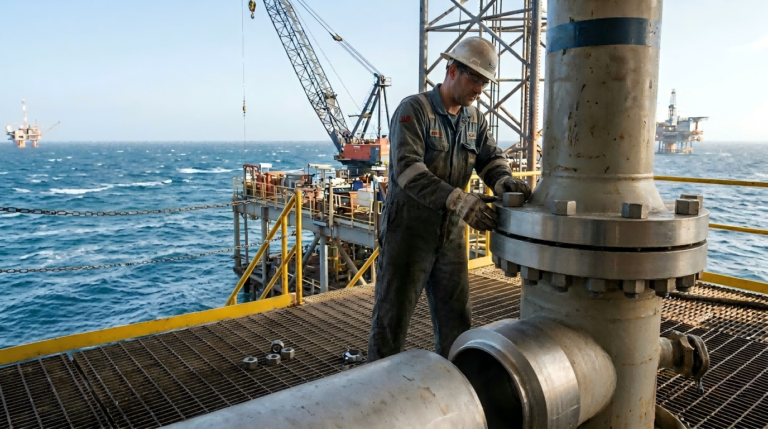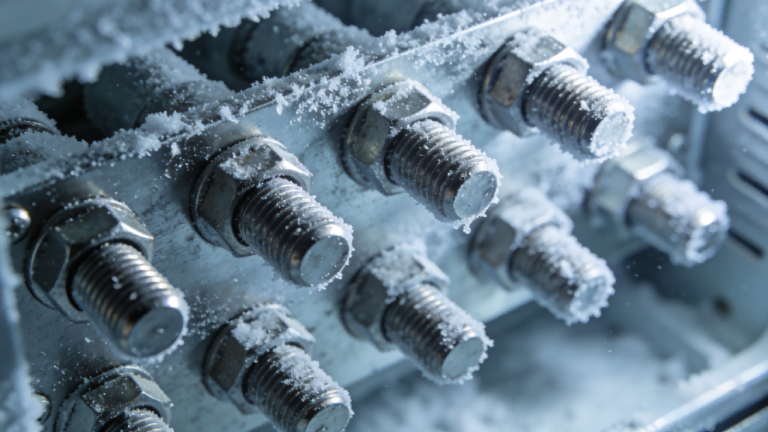
What Oil & Gas Projects Really Demand from Industrial Fasteners
The 3 Important Things of Oil and Gas Fasteners in Projects
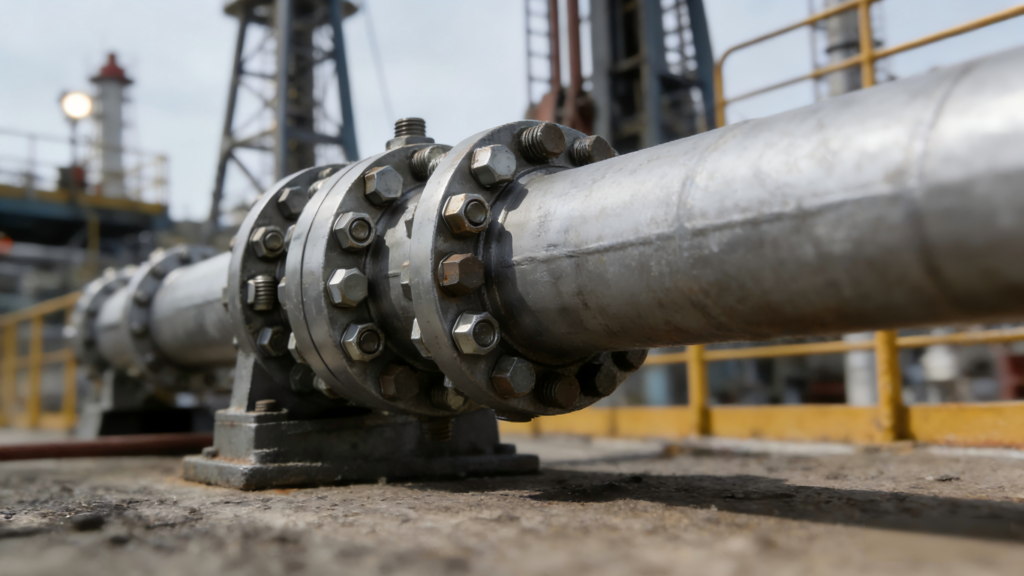
In oil and gas projects, fasteners are rarely treated as simple hardware.
They are critical pressure-retaining components used in:
- Pressure vessels
- Pipeline flanges
- Wellhead equipment
- Subsea systems
- Offshore structures
- High-temperature processing units
Failure of a single bolt can lead to:
- Leakage of hydrocarbons
- Loss of containment
- Unplanned shutdown
- Safety incidents
For this reason, oil and gas fasteners must meet requirements far beyond standard industrial hardware.
Three major technical demands dominate fastener selection in the industry:
- High pressure and mechanical loading
- Severe corrosion environments
- Strict certification and traceability
Understanding these requirements is essential for both engineers and procurement teams.
1. High Pressure: Fasteners as Pressure-Retaining Components
In many oil and gas systems, bolts are responsible for maintaining flange sealing integrity under extreme internal pressure.
Typical examples include:
- Pipeline flanges (ANSI / ASME B16.5)
- Pressure vessels
- Heat exchangers
- Valve connections
These joints rely on bolt preload to compress the gasket and maintain sealing.
Bolt Preload and Structural Integrity
A properly designed flange joint requires bolts to maintain sufficient preload to resist:
- Internal pressure
- Thermal expansion
- Vibration
- Pressure cycling
Loss of preload may lead to:
- gasket leakage
- flange separation
- fatigue failure of bolts
Therefore, material grades with high yield strength and stable mechanical properties are required.
Common specifications include:
- ASTM A193 B7 / B16
- ASTM A320 L7 (low-temperature service)
- ASTM A453 Grade 660 (high-temperature)
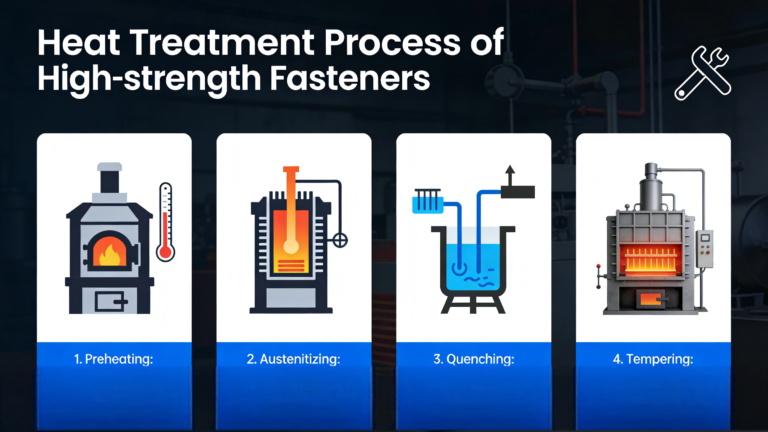
These materials are typically quenched and tempered alloy steels designed for high-load service.
Pressure and Temperature Interaction
Oil & gas equipment often operates under combined extremes:
| Condition | Example |
|---|---|
| High pressure | pipeline transmission systems |
| High temperature | refinery process units |
| Low temperature | LNG facilities |
| Cyclic loading | compressors and pumps |
Fastener materials must maintain mechanical properties across these operating ranges.
Improper heat treatment or incorrect grade selection can lead to:
- creep deformation
- brittle fracture
- fatigue cracking
This is why heat treatment control and mechanical testing are critical.
2. Corrosion: The Dominant Failure Mechanism
In many oil & gas environments, corrosion causes more fastener failures than mechanical overload.
Typical corrosive conditions include:
- seawater exposure (offshore platforms)
- sour gas environments (H₂S)
- CO₂ corrosion
- high chloride process streams
- chemical exposure in refineries
These environments attack fasteners through multiple mechanisms.
Uniform Corrosion
Carbon steel bolts exposed to moisture and oxygen can lose cross-section gradually.
Although relatively predictable, this process reduces load-bearing capacity over time.
Protective measures often include:
- coatings
- cathodic protection
- corrosion allowances
Localized Corrosion
Localized corrosion mechanisms are far more dangerous.
Examples include:
- pitting corrosion
- crevice corrosion
- stress corrosion cracking
These mechanisms create deep localized damage with minimal surface indication, often initiating fatigue cracks at thread roots.
Sour Service and Sulfide Stress Cracking
Oil and gas fasteners frequently encounter sour environments containing hydrogen sulfide (H₂S).
High-strength steels exposed to H₂S are vulnerable to sulfide stress cracking (SSC).
To mitigate this risk, materials must comply with:
- NACE MR0175 / ISO 15156
This standard limits:
- material hardness
- strength levels
- chemical composition
Failure to comply can result in sudden brittle failure even under normal operating loads.
3. Certification and Traceability
Oil and gas fasteners require strict documentation to ensure component reliability.
Fasteners must often meet project specifications issued by:
- EPC contractors
- major oil companies
- international standards bodies
Certification requirements typically include:
Material Certification
Fasteners are usually supplied with Mill Test Certificates (MTC) confirming:
- chemical composition
- mechanical properties
- heat treatment condition
These certificates are typically issued according to:
- EN 10204 3.1
Traceability from raw material to finished product is essential.
Mechanical Testing
Testing may include:
- tensile testing
- hardness testing
- impact testing (for low temperature service)
- proof load verification
These tests confirm compliance with specifications such as:
Additional Project Requirements
Major oil companies often require additional quality control procedures, such as:
- PMI (Positive Material Identification)
- Non-destructive testing (NDT)
- dimensional inspection
- coating verification
- batch traceability
These measures ensure that installed fasteners match project specifications.
Engineering and Procurement Must Work Together
Fastener selection in oil & gas projects is not only an engineering decision.
Procurement teams must ensure suppliers can provide:
- certified materials
- controlled heat treatment
- documented testing
- full traceability
Selecting fasteners based solely on price or nominal grade can introduce significant operational risk.
In critical oil & gas systems, the reliability of the entire installation may depend on the quality of a few bolts.
Key Takeaways
Oil and gas fasteners must satisfy three fundamental requirements:
High pressure resistance
High pressure bolts must maintain preload and structural integrity under extreme mechanical loads.
Corrosion resistance
Materials must withstand aggressive environments including seawater, chlorides, and sour service conditions.
Certification and traceability
Strict documentation and testing ensure that materials meet international standards and project specifications.
Understanding these factors allows engineers and procurement professionals to select fasteners that deliver long-term reliability in one of the most demanding industrial environments.