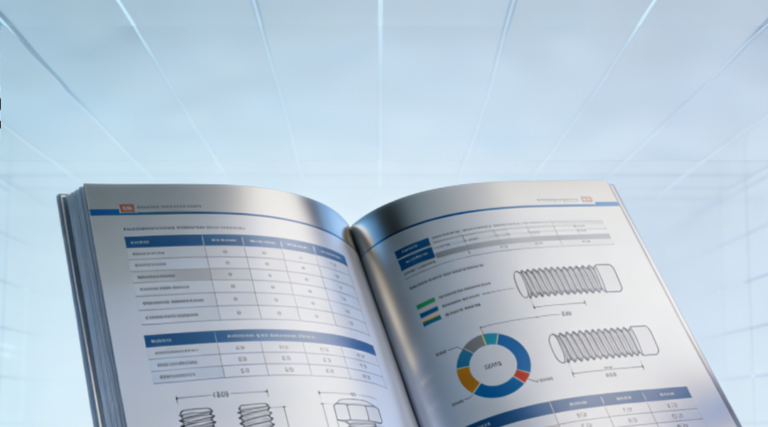
Sourcing High-Performance Fasteners for Offshore and Harsh Environments
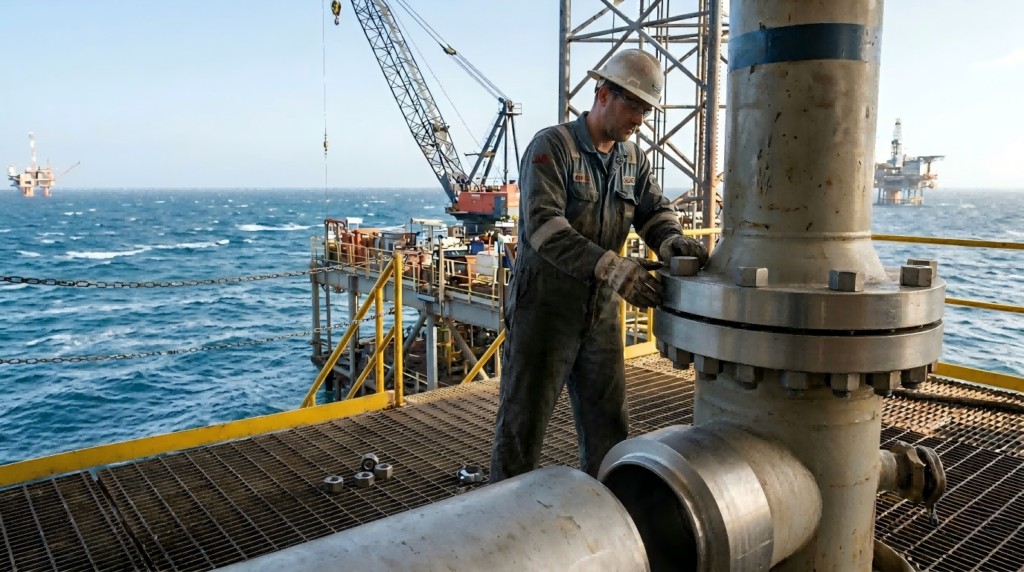
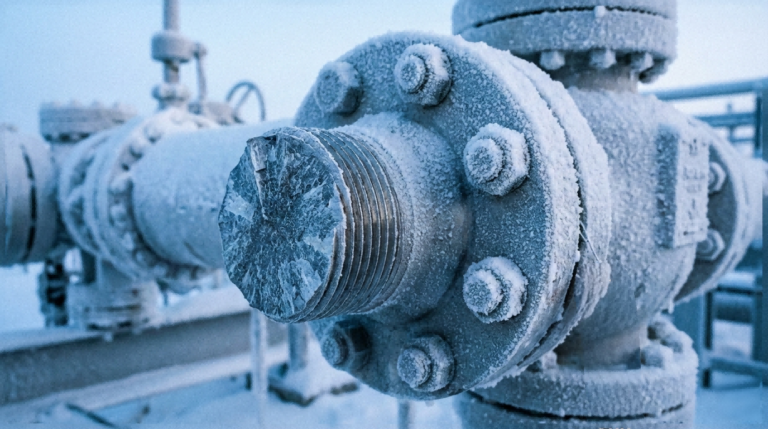
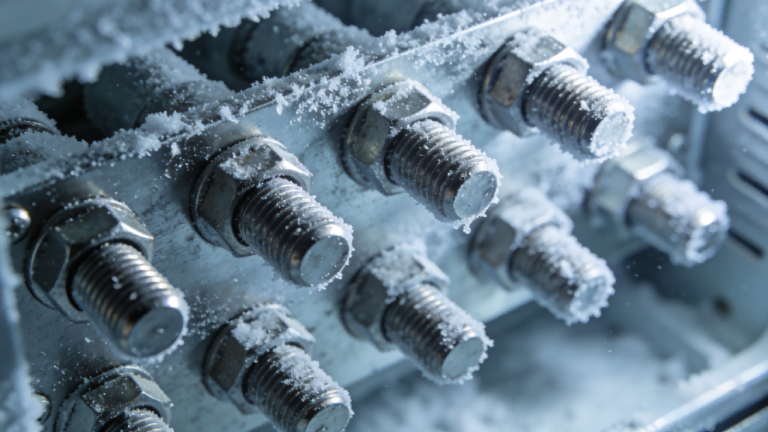
For procurement professionals in the energy and marine sectors, offshore fasteners are never “just a bolt.” In offshore environments—ranging from wind turbines to subsea pipelines—fasteners are critical structural elements that must withstand constant vibration, cyclic loading, and aggressive saltwater corrosion. Choosing the wrong specification doesn’t just lead to rust; it causes catastrophic failures, expensive downtime, and safety incidents.
This guide provides a technical deep-dive into material selection, coating technologies, and risk mitigation strategies for high-stakes fastener procurement.
1. Offshore Fasteners Material Selection: Beyond Standard Carbon Steel
- 316L Stainless Steel: The standard for submerged or splash-zone assemblies due to its molybdenum content, which provides superior pitting resistance. However, it is prone to Chloride Stress Corrosion Cracking (CSCC) if temperatures exceed 60°C in marine atmospheres.
- Duplex & Super Duplex (UNS S31803/S32750): These are favored for high-load applications where 316L lacks sufficient strength or corrosion resistance. They offer high mechanical strength and better resistance to stress corrosion.
- Property Class 10.9 Risks: While 10.9 bolts provide high tensile strength (1000 N/mm²), they are highly susceptible to Hydrogen Embrittlement (HE). Standard EN 14399-4 warns that hardness exceeding 380 Hv is a critical risk factor for HE. For subsea applications, many experts recommend limiting fasteners to Class 8.8 to avoid this failure mode.
2. Offshore Fasteners Coating Technologies: Comparing Defensive Layers
Coatings are the primary defense against the “ennoblement” of stainless steel caused by marine biofilms, which can increase galvanic corrosion rates by 10 to 100 times.
- Hot-Dip Galvanized (HDG): Common but often insufficient for long-term marine exposure. Chlorides react with zinc to form soluble products that wash away, eventually exposing the steel.
- Fluoropolymer (PTFE/Xylan): Provides excellent dry lubrication and reduces installation torque friction. However, these coatings are soft; any damage during installation becomes a site for localized corrosion.
- Ceramic-Fluoropolymer Composite: A superior alternative that combines a hard ceramic base with a PTFE topcoat. This system offers significantly enhanced wear resistance and prevents the corrosion initiation common in standard fluoropolymer coatings.
- Zinc-Nickel Plating: Provides sacrificial protection and is often specified for its stable surface properties in high-vibration environments.
3. Offshore Fasteners Preventing Catastrophic Failure: HE and CSCC
Procurement must screen for two silent killers: Hydrogen Embrittlement (HE) and Stress Corrosion Cracking (SCC).
- The Hardness Threshold: Field data shows that fasteners with hardness values exceeding 34 HRC are significantly more susceptible to Environmentally-Assisted Cracking (EAC).
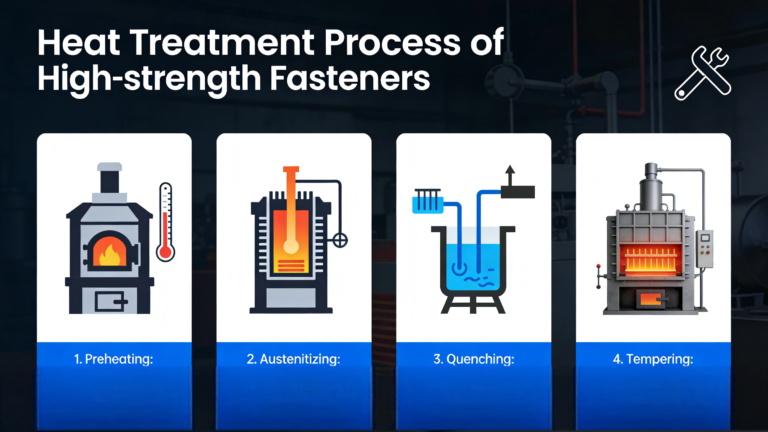
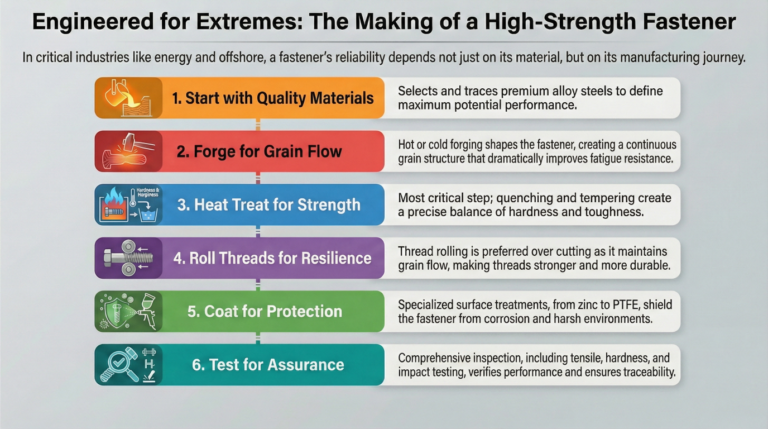
- Manufacturing Controls: HE often results from improper heat treatment or acid pickling during the plating process. Buyers should mandate baking (per ISO 9588) for all electroplated fasteners with tensile strengths >1000 MPa to dissipate internal hydrogen.
- Case Study: The San Francisco-Oakland Bay Bridge failure involved Grade BD anchor rods that fractured within weeks due to HE caused by the combination of high pre-tension and a failed corrosion protection system.
4. Offshore Fasteners Procurement Checklist for Quality Assurance
To ensure “fit-for-service” components, your RFQ should include:
- Standards Compliance: Demand alignment with ISO 898 (mechanical properties), API 20E (bolting for oil & gas), or NORSOK M-001 (material selection).
- Traceability: Full batch traceability and MTRs (Material Test Reports) are non-negotiable for safety-critical joints.
- Third-Party Audits: The BSEE recommends auditing second- and third-tier vendors (such as heat treatment or coating shops), as many failures originate from unapproved subcontractors.
- Preload Monitoring: For bottleneck equipment, consider “Smart Bolts” that provide real-time preload data, reducing unplanned downtime by up to 40%.