High Strength Fastener Comparison: Grades, Materials, and Applications
High Strength Fastener Comparison ISO VS ASTM
Globally, high-strength fasteners are typically categorized by two primary systems: the Metric System (ISO 898-1) and the US/Imperial System (ASTM/ASME).

1. ISO Metric Property Classes (8.8, 10.9, 12.9)
The metric system uses a two-number classification to indicate the tensile and yield strength of the steel.
- Class 8.8: Often considered the entry point for high-strength metric fasteners. They are manufactured from medium carbon steel or alloy steel, then quenched and tempered. They are the standard choice for general construction, heavy machinery, and automotive parts.
- Class 10.9: Manufactured from low to medium carbon alloy steel (such as 40Cr or 35CrMo). These offer higher tensile strength and are utilized in demanding structural connections, wind energy, and heavy-duty automotive applications.
- Class 12.9: The highest standard grade in the ISO system. Forged from high-grade alloy steel (like SCM435) and heavily heat-treated, these fasteners are reserved for extreme-stress applications like engine blocks, heavy casting assemblies, and heavy lifting equipment.
2. ASTM Standards (Petrochemical & Heavy Structural)
In the energy, valve, and pipeline sectors, ASTM standards dictate the requirements.
ASTM A325 / F3125: The benchmark for heavy structural bolts. Designed for steel-to-steel connections in skyscrapers, bridges, and major infrastructure projects.
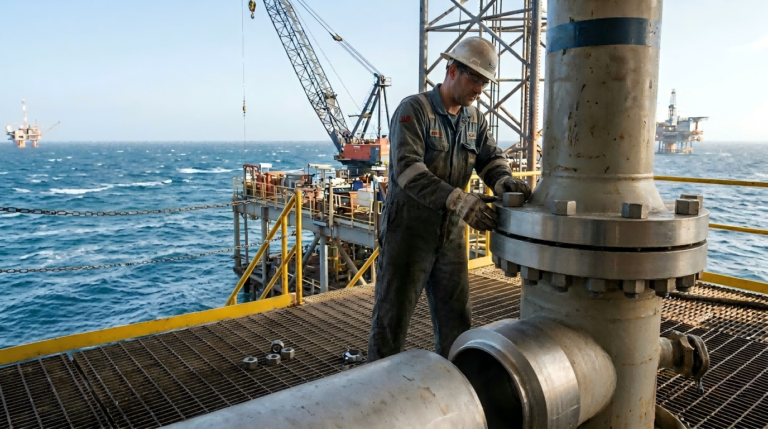
ASTM A193 Grade B7: The undisputed king of the petrochemical and valve industries. Made from Chromium-Molybdenum steel (AISI 4140/4142), B7 stud bolts and heavy hex bolts are designed for high-temperature and high-pressure environments.
ASTM A320 Grade L7: Similar to B7 in strength, but specifically alloyed and impact-tested (Charpy V-Notch) to operate in extremely low temperatures, making them essential for arctic oil platforms and cryogenic valves.
High strength fastener comparison table
| Bolt Grade / Standard | Matching Nut Grade | Typical Raw Material (Bolt) | Min. Tensile Strength | Primary Industry & Application |
| ISO Class 8.8 | Class 8 (or Class 10) | Medium Carbon Steel | 800 MPa | General construction, standard machinery, motor housings. |
| ISO Class 10.9 | Class 10 | Alloy Steel (40Cr, 35CrMo) | 1040 MPa | Heavy equipment, automotive suspensions, wind turbines. |
| ISO Class 12.9 | Class 12 | Premium Alloy Steel (SCM435) | 1220 MPa | Engine internals, heavy casting joints, extreme stress areas. |
| ASTM A193 B7 | ASTM A194 Gr. 2H | Chromium-Molybdenum | 125,000 PSI | High-temp pipelines, pressure vessels, flanged valves. |
| ASTM A320 L7 | ASTM A194 Gr. 7 (or Gr. 4) | Chromium-Molybdenum | 125,000 PSI | Cryogenic systems, low-temp gas processing, arctic rigs. |
| ASTM A325 | ASTM A563 Gr. DH (or Gr. C) | Medium Carbon / Alloy | 120,000 PSI | Heavy structural steel frameworks and bridges. |
3.The Hidden Key to High-Strength Performance
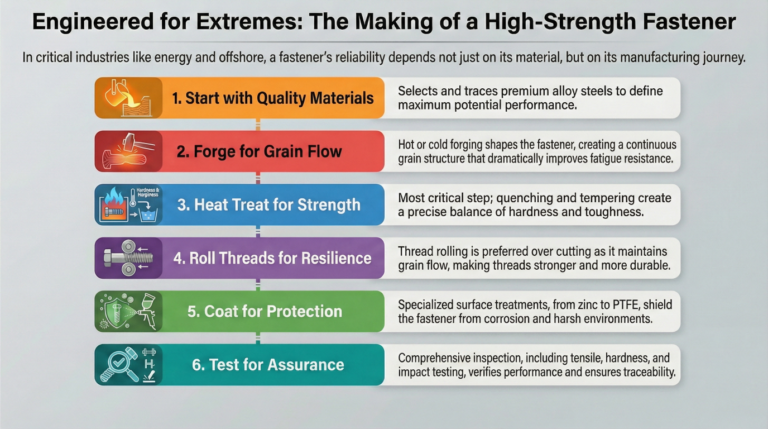
It is important to remember that raw material alone does not guarantee a high-strength fastener. The true performance is defined during the manufacturing process. When sourcing high-strength bolts or non-standard fasteners, buyers should pay close attention to:
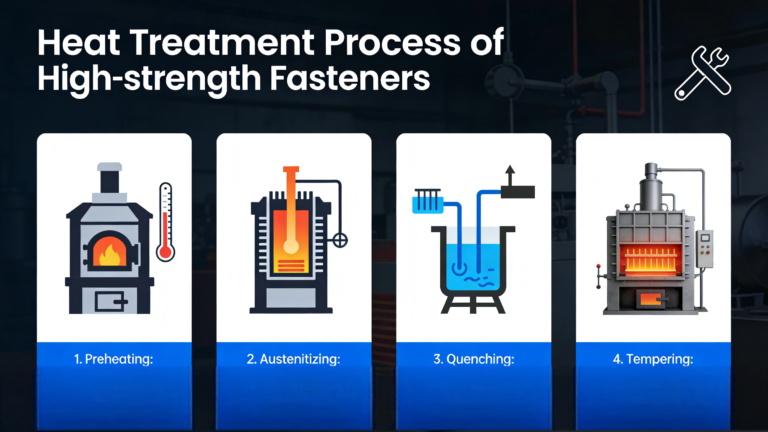
- Precision Heat Treatment: Proper quenching and tempering are vital. A controlled furnace atmosphere ensures uniform hardness and prevents brittle, failing parts.
- Thread Integrity: For critical applications, threads should be rolled after heat treatment. This preserves the grain flow of the steel and significantly increases fatigue resistance, a critical requirement for standards like API 20E.
- Hydrogen Embrittlement Prevention: High-strength steels are highly susceptible to cracking if subjected to improper acid pickling or electroplating. Ensure your manufacturer utilizes strict post-plating baking procedures or advanced coatings like PTFE (Xylan) or Dacromet for superior, risk-free corrosion resistance.
Looking for a Reliable Fastener Partner?
Sourcing high-strength fasteners requires more than just reading a spec sheet; it requires a manufacturing partner who understands strict quality control, full traceability (including EN 10204 3.1 MTRs).
Whether you need standard ASTM A193 B7 stud bolts with ASME B1.1 threads or fully customized high-strength components for your next major project, we have the manufacturing capability to meet your exact engineering requirements.
Contact our engineering sales team today with your drawings or RFQ for a technical consultation and quote.