What are Fastener Requirements in Middle East Energy Projects
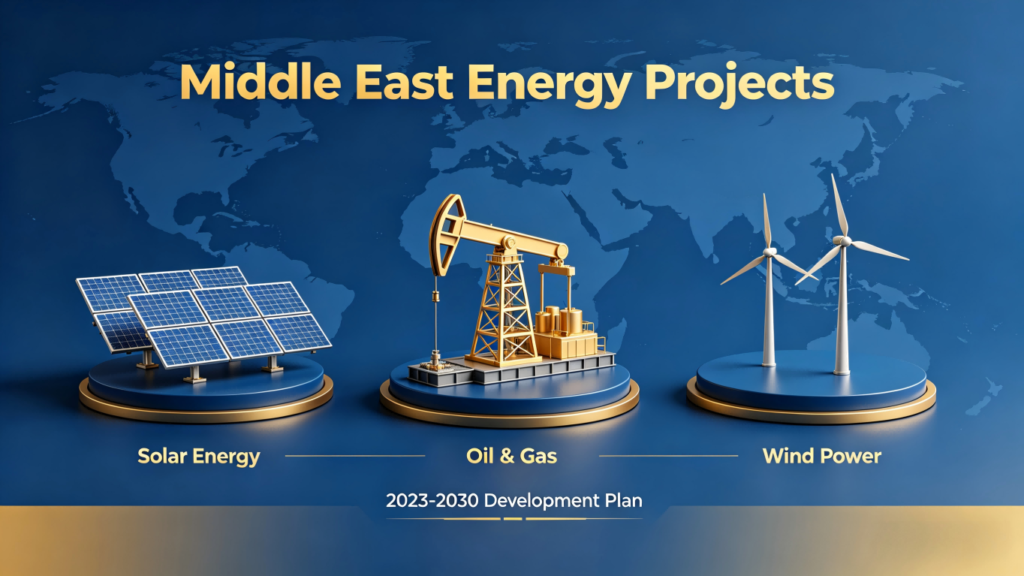
Energy projects in the Middle East — including oil & gas facilities, refineries, petrochemical plants, and solar installations — operate under some of the most demanding environmental conditions for low and high temperature fastener, high strength fastener and corrosion resistance industrial fastener.
Unlike offshore or cold-region applications, Middle East projects are characterized by:
- High temperature
- Sand and dust exposure
- Intermittent but aggressive corrosion conditions
- Strict adherence to international standards and project specifications
Fasteners used in these environments must maintain mechanical integrity and reliability over long service periods, often with limited maintenance.
Here are three key engineering requirements:
- High temperature Fastener performance
- Sand exposure and corrosion effects
- Preferred standards and certification systems
1. High Temperature Fastener: Strength Stability and Relaxation Risk
Operating Conditions
In Middle East energy facilities, fasteners may be exposed to:
- Ambient temperatures exceeding 50°C
- Process temperatures ranging from 200°C to 500°C (or higher)
- Thermal cycling due to startup/shutdown operations
Applications include:
- refinery piping systems
- pressure vessels
- heat exchangers
- solar thermal installations
Key Engineering Challenges
Loss of Preload (Relaxation)
At elevated temperatures, bolts may experience:
- creep deformation
- stress relaxation
This leads to reduced clamping force, increasing the risk of:
- flange leakage
- gasket failure
- joint instability
Material Property Degradation
Standard high-strength carbon steel bolts may lose strength at high temperature.
Typical engineering solutions include selecting heat-resistant alloys such as:
- ASTM A193 B7 (moderate temperature)
- ASTM A193 B16 (higher temperature)
- ASTM A453 Grade 660 (high-temperature alloy)
These materials are designed to maintain strength and resist creep under elevated temperatures.
2. Sand & Corrosion: Combined Mechanical and Environmental Damage
Sand and Dust Effects
Middle East environments often involve:
- airborne sand particles
- dust accumulation in joints
- abrasive conditions during wind events
While sand itself is not chemically aggressive, it contributes to:
- coating abrasion
- surface damage
- accelerated wear at threads and contact surfaces
Damaged coatings expose base metal to corrosion.
Corrosion Mechanisms
Although the Middle East is often perceived as a “dry environment,” corrosion still occurs due to:
- humidity cycles (day/night condensation)
- coastal exposure (in offshore or near-shore facilities)
- process-related chemicals
Typical corrosion forms include:
- atmospheric corrosion
- pitting corrosion in chloride environments
- crevice corrosion in bolted joints
Coating and Material Strategies
Carbon Steel with Protective Coatings
Common solutions:
- hot-dip galvanizing
- zinc-aluminum flake coatings
- PTFE-based coatings (for chemical resistance)
Stainless Steel and Alloy Options
Used selectively depending on environment:
- 316 stainless for moderate corrosion environments
- higher alloy materials for aggressive chemical exposure
However:
- stainless steel may suffer from galling
- high temperature may reduce corrosion resistance effectiveness
3. Preferred Standards and Certification Requirements
Commonly Used International Standards
Middle East energy projects typically follow globally recognized standards.
Key specifications include:
- ASTM A193 (alloy steel bolts for high temperature/pressure)
- ASTM A194 (nuts)
For corrosive environments:
- NACE MR0175 / ISO 15156 (sour service compliance)
Project-Specific Requirements
Major EPC contractors and national oil companies often impose additional requirements:
- approved vendor lists (AVL)
- strict traceability systems
- inspection and test plans (ITP)
- third-party inspection (TPI)
Certification and Documentation
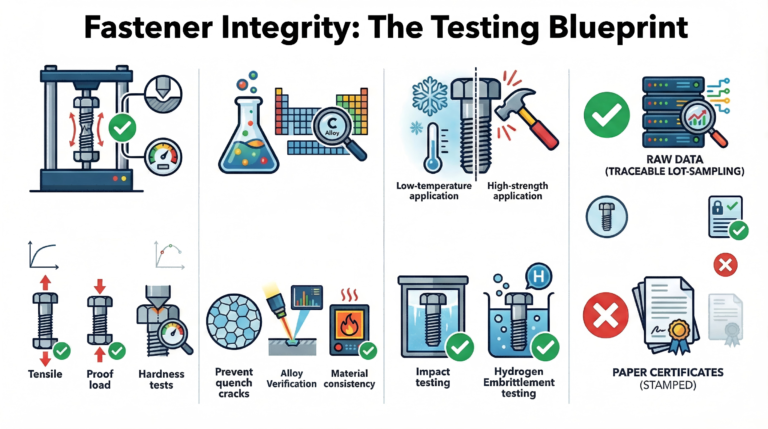
Typical requirements include:
- Mill Test Certificates (EN 10204 3.1)
- Mechanical testing reports
- Chemical composition verification
- Heat treatment records
- Coating inspection reports
Procurement teams must ensure that documentation matches actual production batches.
Integration: Design, Environment, and Standards
Reliable fastener performance in Middle East projects requires coordination between:
Material selection
Suitable for both temperature and environment.
Mechanical design
Accounts for preload loss and thermal effects.
Surface protection
Resistant to abrasion and corrosion.
Certification compliance
Aligned with project specifications and international standards.
Failure to address any of these aspects can result in reduced reliability and increased maintenance cost.
Conclusion Fastener Requirements in Middle East
Fasteners used in Middle East energy projects must meet a unique combination of requirements:
High temperature fastener performance
Maintaining strength and preload under elevated temperatures.
Sand and corrosion resistance
Withstanding abrasive environments and intermittent corrosion mechanisms.
Compliance with international standards
Ensuring traceability, testing, and certification meet project expectations.
For engineers and procurement teams, understanding these factors is essential to selecting fasteners that deliver long-term reliability in demanding desert and energy environments.