Low-Temperature Bolt Failure: A Real-World Case Study
Project Background: Low-Temperature Operating Conditions
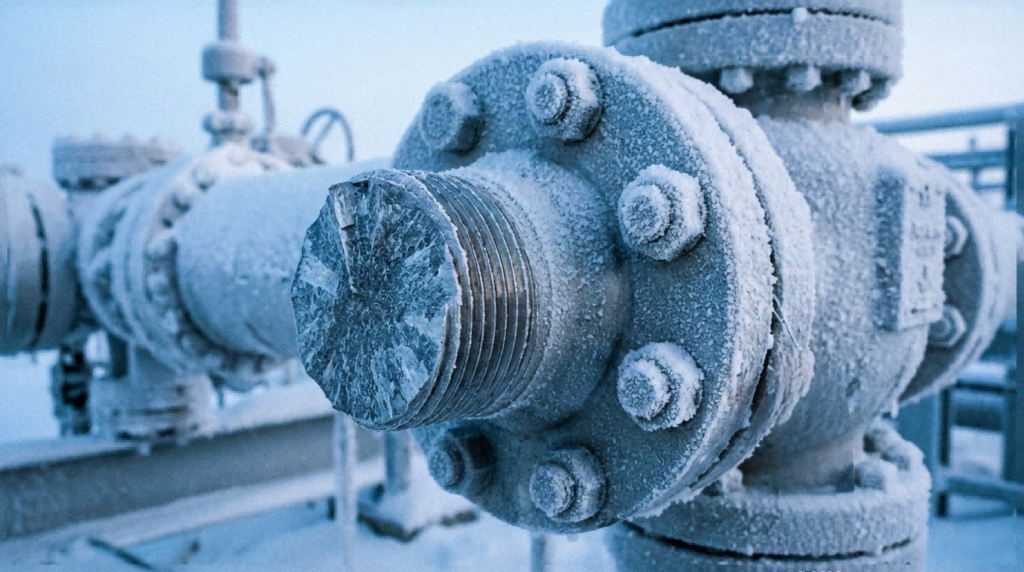
In low-temperature industrial environments, fasteners are often exposed to conditions far beyond standard design assumptions. This case study comes from a heavy industrial project operating in a sub-zero climate, where ambient temperatures regularly dropped below -40°C during winter operations.
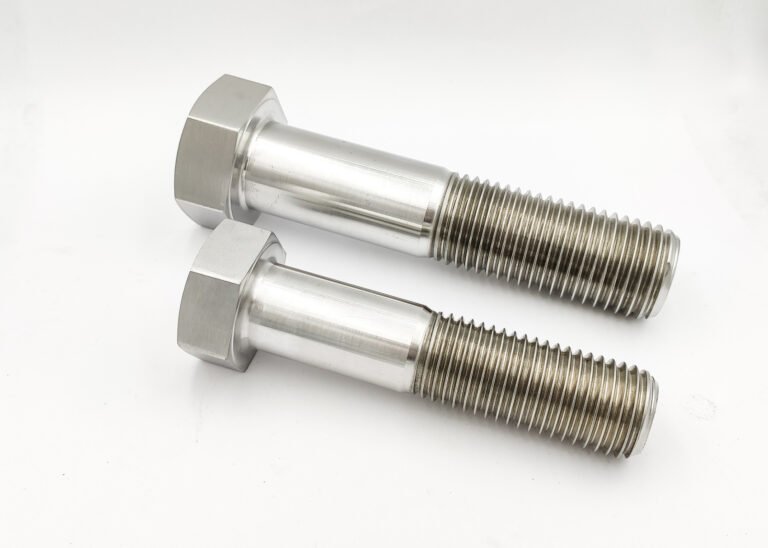
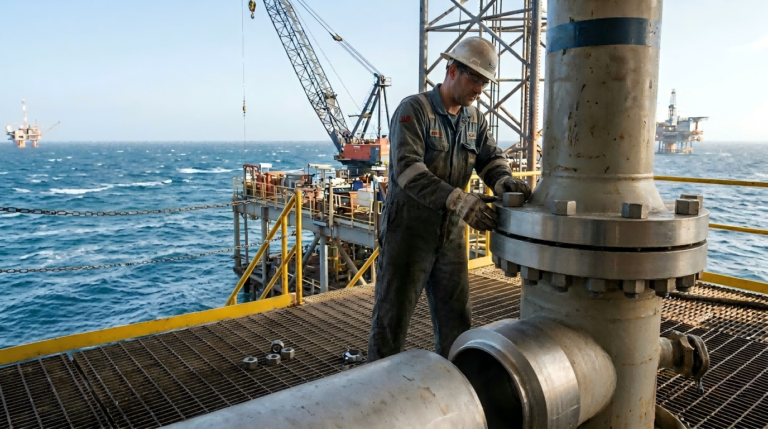
The application involved high-strength structural bolts used in load-bearing assemblies for energy infrastructure. While the bolts met tensile strength requirements at room temperature, unexpected failures occurred shortly after commissioning in cold conditions.
This incident highlights a critical but often underestimated risk: bolt performance at low temperatures is not defined by strength alone.
Failure Description and On-Site Symptoms
During routine inspection, several bolts were found fractured without any visible plastic deformation. The failures showed:
- Sudden bolt breakage under normal operating loads
- No signs of necking or elongation
- Clean, granular fracture surfaces
- Failures concentrated during extreme cold exposure
The absence of warning deformation indicated a brittle fracture mechanism, which is particularly dangerous in safety-critical applications.
Root Causes of Bolt Failure at Low Temperatures
A detailed investigation revealed multiple contributing factors:
1. Loss of Impact Toughness at Low Temperatures
Although the bolts met room-temperature mechanical strength requirements, the selected material exhibited a ductile-to-brittle transition at sub-zero temperatures. Below this transition point, impact energy absorption dropped sharply, making the bolts vulnerable to sudden fracture.
2. Material Selection Focused Only on Strength
The original specification prioritized tensile strength and yield strength but did not adequately address low-temperature impact toughness. This is a common oversight when fasteners are selected based on standard grades without considering service environment.
3. Inadequate Low-Temperature Testing
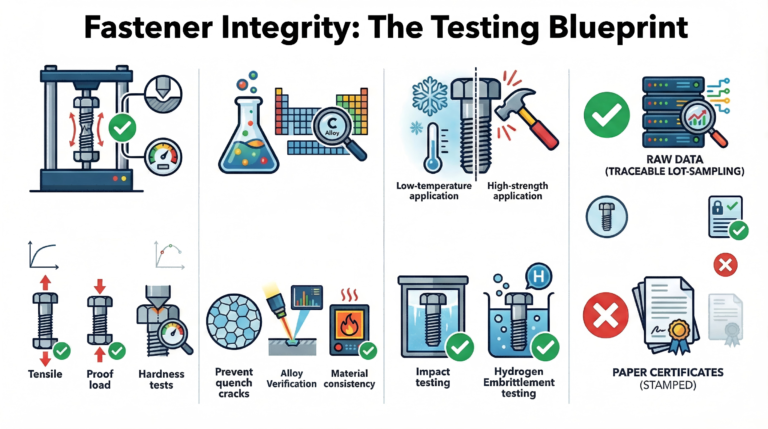
No Charpy impact testing was specified at the actual minimum service temperature. As a result, the material’s brittle behavior in cold conditions went undetected prior to installation.
Material Behavior in Cold Environments
At low temperatures, many high-strength steels experience:
- Reduced atomic mobility
- Increased crack propagation speed
- Lower energy absorption before fracture
In practical terms, this means a bolt that performs well at room temperature may fail catastrophically in cold environments if its impact toughness is insufficient.
Materials commonly used for low-temperature fasteners often require:
- Verified Charpy impact values at specified temperatures
- Controlled chemical composition
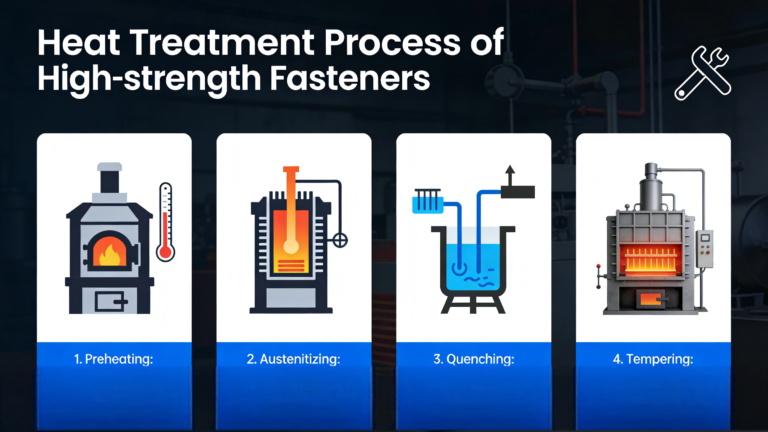
- Proper heat treatment to maintain toughness
Lessons Learned: How to Prevent Low-Temperature Fastener Failure
This failure case offers several important lessons for engineers and procurement teams:
1. Strength Is Not Enough
High tensile strength does not guarantee safety in cold environments. Impact toughness and fracture behavior must be evaluated for low-temperature service.
2. Specify Testing at Real Service Temperatures
Charpy impact testing should be performed at or below the minimum operating temperature, not just at standard reference values.
3. Select Materials Designed for Low-Temperature Service
Fasteners used in oil & gas, offshore, energy, and heavy equipment applications should be selected based on proven low-temperature performance, not generic grades.
4. Involve Fastener Manufacturers Early
Experienced fastener manufacturers can assist with material selection, testing standards, and design optimization to reduce failure risk in extreme environments.
Conclusion
Low-temperature bolt failure is rarely caused by a single factor. It is usually the result of material behavior, insufficient testing, and incomplete specification.
This case study demonstrates why fastener selection for cold environments requires a holistic engineering approach—one that considers not only strength, but also toughness, testing, and real operating conditions.
If your project involves low-temperature or cryogenic applications, fastener selection should never be treated as a commodity decision.
Need support for low-temperature fasteners? Our engineering team provides material selection guidance, impact testing support, and custom fastener solutions for extreme environments.