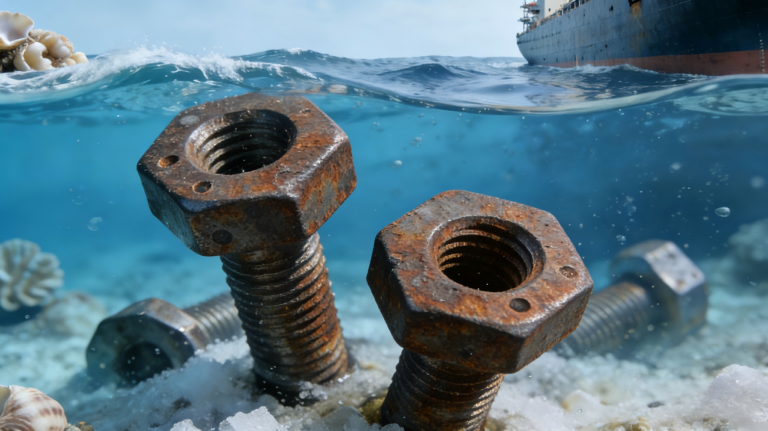
Why High Strength Bolts Fail in Extreme Temperatures
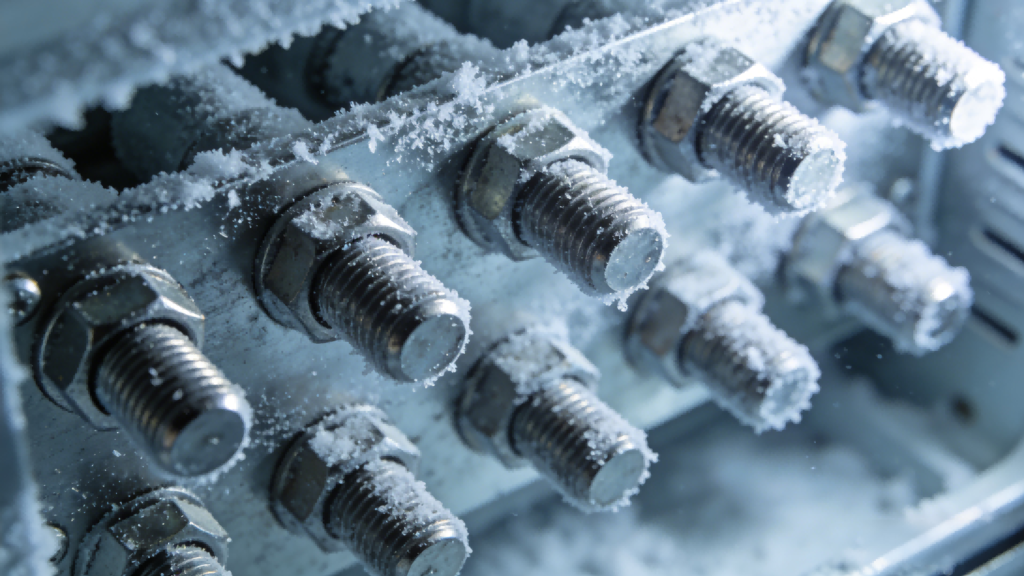
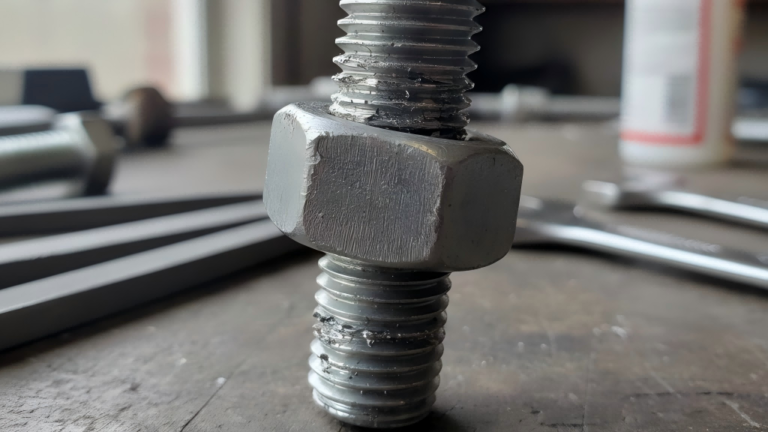
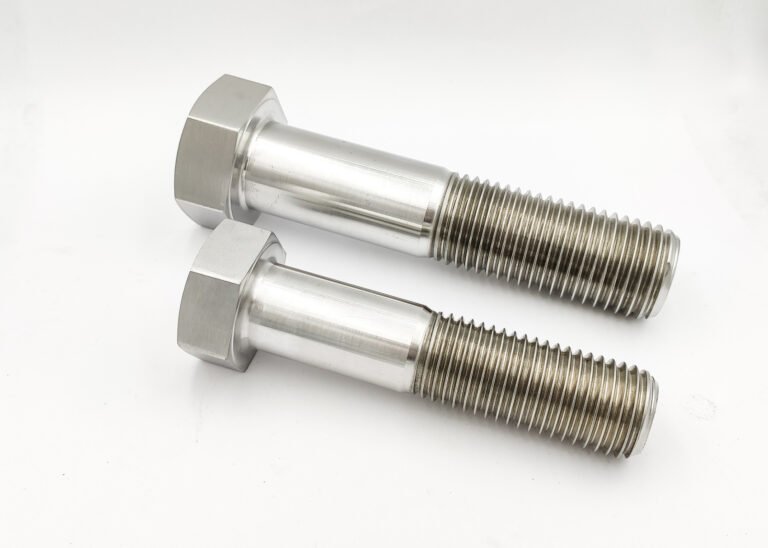
High-strength bolts are often selected because of their impressive mechanical properties.
But in extreme temperature fasteners, strength alone does not guarantee reliability.
Here’s what actually happens:
🔹 At very low temperatures
Steel can lose ductility and become brittle.
A bolt that performs perfectly at room temperature may suddenly fail by brittle fracture — often without visible warning signs.
🔹 At very high temperatures
The problem shifts from fracture to creep and relaxation.
Under sustained load, bolts can slowly deform, losing preload and compromising joint integrity — even if they never “break.”
🔹 The common misconception
Many failures occur because the bolt was selected based only on strength grade, without considering:
- Service temperature range
- Impact toughness requirements
- Long-term load behavior
🔹 The engineering reality
In extreme environments, the most critical properties are often:
- Toughness, not just tensile strength
- Microstructure stability at temperature
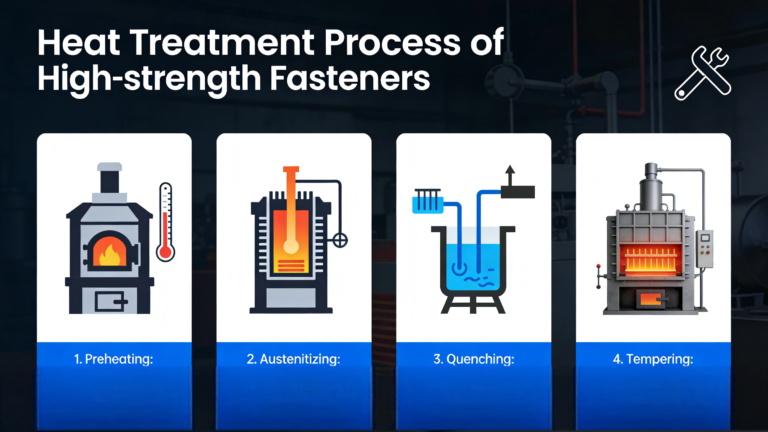
- Proper heat treatment and material selection
The strongest bolt is not always the safest bolt.
Application-driven selection matters far more than strength numbers on paper.
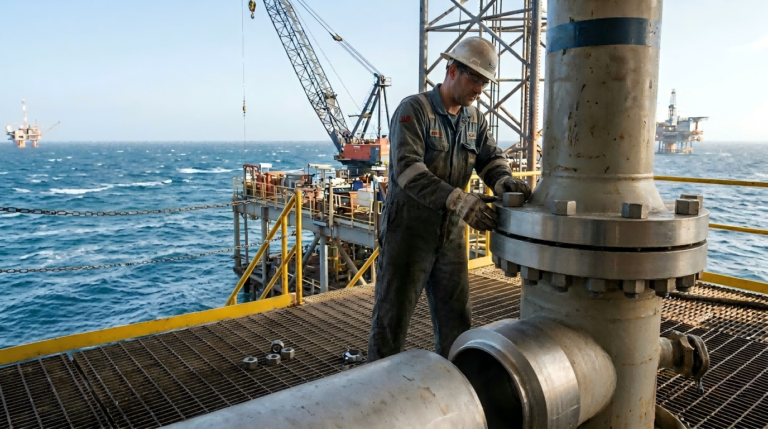
In industries like oil & gas, offshore, renewable energy, and heavy equipment, fastener failure is rarely a material defect — it’s usually a selection or application mistake.
What temperature challenges have you encountered in your projects?