Struggling with Stainless Steel Thread Galling? “Triple Protection” Strategy
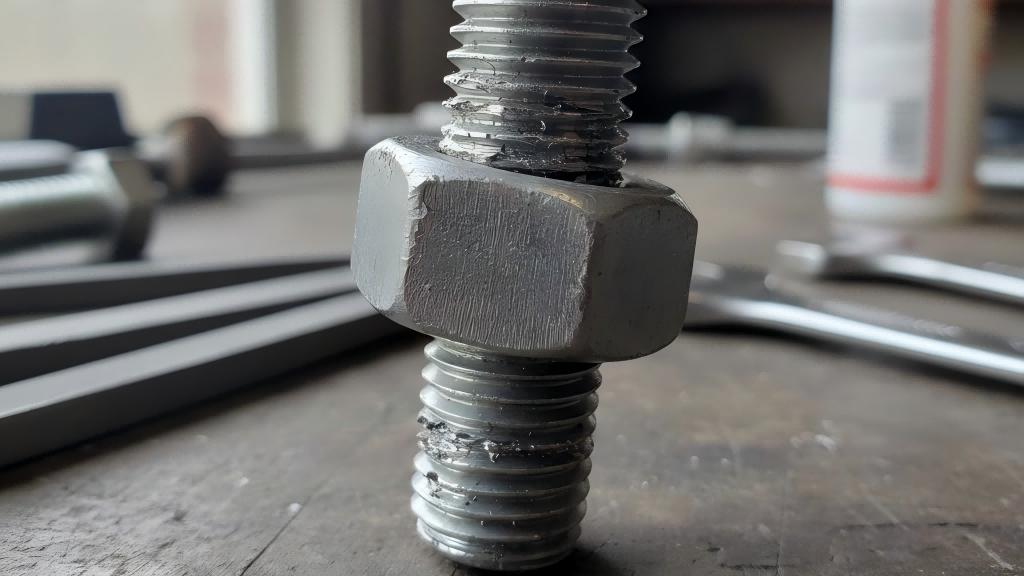
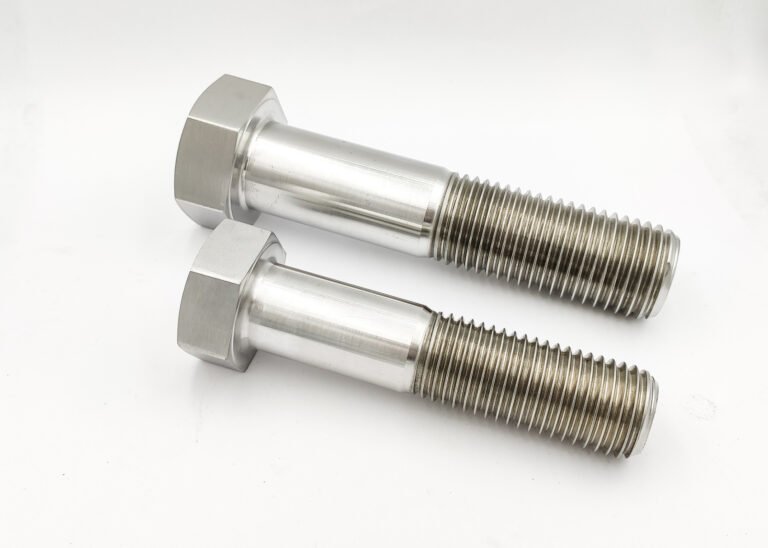
In the world of assembly, few things are as frustrating as thread galling (also known as cold welding or adhesion) in austenitic stainless steel (A2 and A4) fasteners. This phenomenon can lead to stalled production lines and damaged components.
Based on technical analysis from LT Fasteners, we have developed a comprehensive “Triple Protection” strategy to solve this persistent engineering challenge.
——————————————————————————–
Understanding the Root Cause: Why Stainless Steel “Bonds”
Austenitic stainless steel is prized for its corrosion resistance, but its physical properties make it uniquely susceptible to thread galling during assembly:
• Low Thermal Conductivity: Its ability to dissipate heat is only about 1/3 that of carbon steel, causing friction-generated heat to accumulate rapidly at the contact surface.
• High Work Hardening: During friction, surface hardness can increase by over 200%, causing microscopic peaks on the thread surface to interlock and “bite” into each other.
• High Atomic Affinity: The high nickel content (8-12%) creates a strong attraction between metal atoms, facilitating the formation of metallic bonds under pressure.
• Excessive Speed: When assembly speeds exceed 25 rpm, interface temperatures can soar to 500°C, causing the protective chromium oxide (Cr₂O₃) layer to rupture and expose the raw metal base for cold welding.
——————————————————————————–
The “Triple Protection” Solution for Thread Galling
To mitigate these risks, we recommend a combined approach of material differentiation, surface treatment, and process control.
1. Material Differentiation: Creating a “Chemical Barrier”
By using different grades or hardness levels for bolts and nuts, you can significantly disrupt the conditions required for thread galling:
• Heterogeneous Pairing (A2 Bolt + A4 Nut): The Molybdenum (Mo) in A4 steel creates a more stable composite oxide layer that acts as a shield. Research shows that using different materials can reduce cold welding forces by 35% compared to using identical materials.
• Hardness Gradient Design: We recommend a “hard nut/soft bolt” configuration. A4 is typically 10-15 HV harder than A2 due to solid solution strengthening. This setup allows the softer bolt to absorb deformation while the harder nut maintains structural integrity, reducing galling rates from 40% to below 10%.
2. Surface Treatment: Utilizing Anti-Galling Fluids
Applying specialized lubricants provides a multi-layered defense:
• Physical Isolation: These fluids form a continuous lubrication film (0.5-2μm) that prevents direct metal-to-metal contact.
• Friction Reduction: Effective lubrication can drop the friction coefficient from ~0.3 to as low as 0.06–0.12, bringing the galling rate down to a mere 3-8%.
• Advanced Heat Management: Premium anti-galling agents often contain copper powder or graphene to help friction heat spread laterally, preventing the formation of localized hot spots.
3. Process Control: The “Three-Stage Deceleration Method”
Assembly speed is a critical variable. Instead of high-speed tightening, we propose a phased approach to manage thermal energy:
• Stage 1: Pre-tightening (20-30 rpm) – For rapid positioning.
• Stage 2: Medium Tightening (10-15 rpm) – To distribute contact stress.
• Stage 3: Final Tightening (3-5 rpm) – Low speed ensures peak temperatures stay below 300°C. While this may slightly increase assembly time, it reduces the risk of galling by 80%, making it essential for high-value or critical connections.
——————————————————————————–
Summary
Solving the thread galling problem is ultimately a battle against friction heat and atomic attraction.
Think of gradient hardness design like a specialized pair of tools: the bolt acts like an eraser, flexibly absorbing deformation energy, while the nut acts like armor, maintaining the structure’s precision. Meanwhile, the “Three-Stage Deceleration Method” is like “slow-cooking a soup”—by controlling the speed, you allow the heat time to dissipate rather than letting it “burn” and fuse the metal surfaces together.
At Jiangyin LT Fasteners Co., Ltd., we provide the expertise and high-quality products needed to ensure your connections remain secure and reliable. For more technical insights or customized fastening solutions, contact our team.